The Alchemy of Shadows: Unveiling the Mystery of Sulfurized and Oxidized Silver
In our previous chapters, we captured the texture of fine silk through Rigato engraving and trapped liquid light within the fires of Vitreous Enameling. Today, we step away from brilliant reflections and explore the alluring beauty of darkness. Welcome to the world of Sulfurization and Oxidized Antiquing —a high-art technique that uses controlled chemical reactions to sculpt shadows, depth, and eternal soul into pure sterling silver.
The Historical Origins: From Antique Patinas to Romantic Rebellion
The art of aging precious metals deliberately is a centuries-old tradition. Its roots lie deep within the workshops of Victorian silversmiths and the romantic artisans of the Art Nouveau and Gothic Revival eras. Historically, master craftsmen realized that a uniform, blinding shine often masked the fine sculptural details of intricate metalwork.
By observing how natural silver develops a mysterious dark patina over decades of exposure to air and time, they developed a way to accelerate this process artificially. It transformed a simple chemical reaction into a design language of romantic rebellion—creating jewelry that doesn’t look like it just came off a factory line, but rather looks like a treasured relic unearthed from a lost palace.
The Master’s Guild: Controlling the Reaction in Valenza
Oxidizing silver might sound simple, but true fine-jewelry antiquing is an exact science that requires an intuitive master's touch. A fraction of a second too long, or a single degree off in temperature, and the silver turns from a rich, velvety black into a brittle, flaky, or dull gray ruin.
Our master craftsmen mastered this delicate tightrope during their traditional apprenticeships in Valenza, Italy—the epicenter of global jewelry savoir-faire. Under the guidance of Italian masters, our artisans learned the secret formulas of sulfurization. They mastered the fluid art of Chiaroscuro —an artistic term borrowed from Renaissance painters like Caravaggio—learning exactly how to darken the deep recesses of the silver design while hand-polishing the raised surfaces to a brilliant sheen, creating a dramatic, multidimensional contrast.
The Tools, Precision Chemistry, and the Severe Scrap Rate
True artisan-level sulfurization demands sophisticated control and highly specialized tools. Our studio utilizes custom, lab-grade thermostatic chemical chambers to ensure the oxidizing solution reacts uniformly. We import precise, high-purity sulfur compounds from Europe to achieve a deep, lustrous, and stable midnight-black shade. Following the chemical bath, the artisans use specialized micro-abrasive polishing wheels and hand-held agate burnishers to carefully strip away the dark layers from selective areas.
However, the real luxury of this technique lies in its immense material loss and severe scrap rate .
Because the oxidized layer changes the molecular surface of the silver, the final hand-polishing process is incredibly volatile. If an artisan applies even a microscopic amount of excess pressure during the relief polishing, they can accidentally strip away too much darkness, or worse, destroy the underlying Rigato or sculptural details. If a mistake happens, the piece cannot be simply "re-touched." The entire oxidized layer must be stripped off chemically, which erodes the silver metal underneath (high silver loss), or the entire piece must be melted down completely. It is a grueling trial of patience, where one tiny slip of the hand dooms hours of prior work.
A Nod to the Pinnacle: From Renaissance Armour to Haute Sterling Silver
While houses like Buccellati are famous for their gold textures, Italian masters have historically used oxidation on sterling silver to mimic the dramatic depth found in Renaissance engraved steel armour and antique silverware.
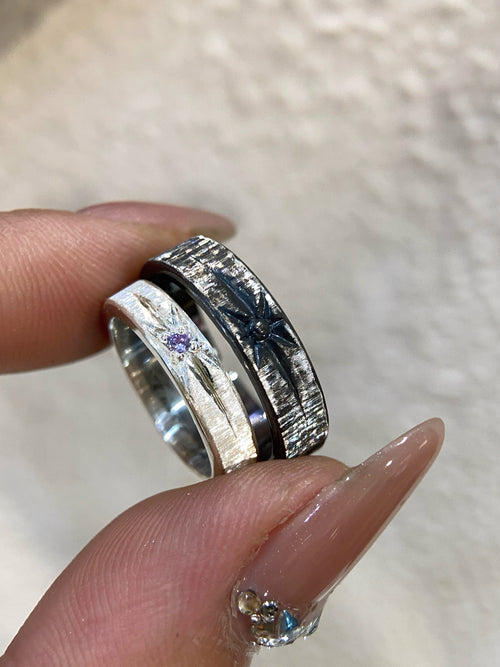
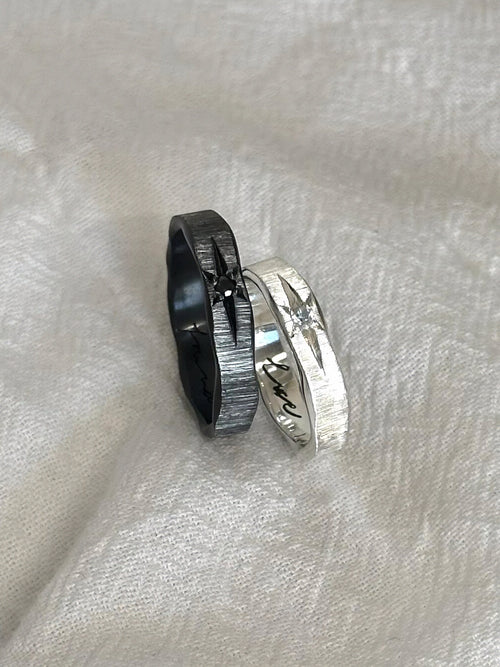
Sterling silver is the undisputed king for this technique. Unlike gold or platinum, which are chemically inert and resistant to oxidation, sterling silver reacts beautifully and organically to sulfur. When our Rigato textures or intricate patterns undergo this dark transformation, the sulfur fills the micro-grooves, creating permanent, dark shadows. The result is a stunning three-dimensional relief: the deep lines whisper tales of ancient mystery in rich charcoal tones, while the raised silver edges catch the light like moonlight piercing through a stormy night sky.
Why Choose Oxidized Sterling Silver Jewelry?
When you run your fingers over our oxidized pieces, you are touching a mastered tension between light and shadow. You are choosing jewelry that embraces character, depth, and historical drama. Created through expensive precision chemistry, high material sacrifice, and authentic Italian training, it is designed for the modern connoisseur who understands that true elegance does not always shine—sometimes, it hides beautifully in the shadows.